

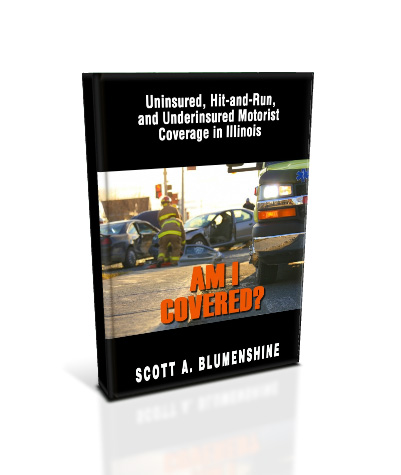
Navigating the streets of Chicago, drivers must be aware of the risks associated with uninsured and underinsured motorists. When an accident occurs, the presence of an uninsured motorist can complicate the process of obtaining just compensation for damages and injuries. In situations like a motorist accident, the expertise of a Chicago uninsured motorist lawyer becomes invaluable. These legal professionals specialize in helping victims understand their rights and options under Illinois law.
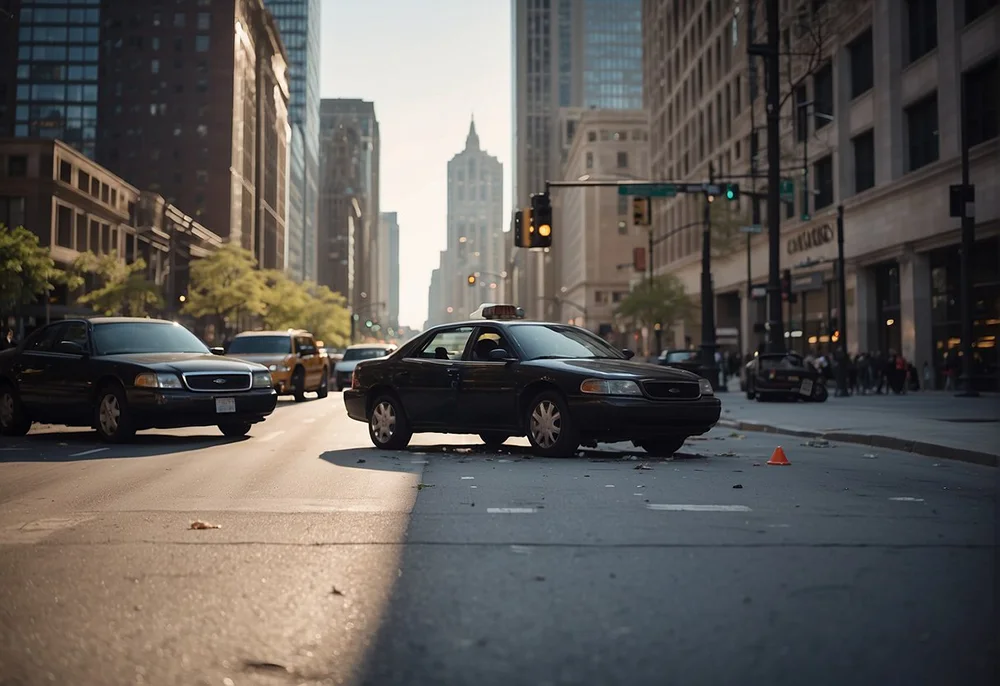
Illinois laws require all drivers to carry a minimum amount of auto insurance. Unfortunately, not all drivers adhere to this mandate, leading to law-abiding citizens facing financial difficulties after an accident with an uninsured driver. Underinsured motorists with coverage that falls short of the accident’s costs pose similar challenges. An experienced Chicago uninsured motorist attorney can become a pivotal ally, guiding clients through the complexities of insurance claims and legal recourse.
Key Takeaways
- Uninsured motorist attorneys assist with legal challenges after an accident involving uninsured or underinsured drivers.
- Illinois legal requirements and insurance processes are navigated effectively with experienced attorneys.
- Expert legal representation aims to secure maximum financial recovery for affected individuals.
Understanding Uninsured and Underinsured Motorist Coverage in Illinois
In Illinois, drivers must know about coverage for uninsured and underinsured motorists. This coverage is essential for protection against drivers who lack sufficient insurance.
Basics of UM and UIM Coverage
Uninsured motorist (UM) coverage provides protection when an individual is involved in an accident with a driver who does not have liability insurance. Underinsured motorist (UIM) insurance applies when the at-fault driver’s insurance is inadequate to cover the damages and medical expenses. Both types of coverage are designed to ensure that victims do not face financial burdens due to others’ lack of adequate coverage.
- Uninsured Motorist Coverage: Protects against losses from an at-fault uninsured driver.
- Underinsured Motorist Insurance: Supplements the at-fault party’s insurance if insufficient.
Illinois Law and Uninsured Motorist Policies
Illinois mandates that all automobile insurance policies issued in the state include uninsured motorist coverage. This requirement safeguards individuals from incurring all financial responsibility in the event of an accident with an uninsured driver. As Illinois state law defines, insurance companies must offer this coverage at minimum limits.
- Legal Requirement: Minimum UM coverage is obligatory for all auto insurance policies.
- Policy Inclusion: Insurance companies must incorporate UM coverage in their policies.
Coverage Limits and Policy Details
Coverage limits for uninsured and underinsured motorist policies in Illinois are governed by state law, which stipulates minimum required limits. Drivers in Illinois may opt for higher limits for added protection. Policy details, including coverage limits and premiums related to an uninsured or underinsured motorist, will vary among insurance companies, offering consumers a range of options based on individual needs related to car accidents.
- Minimum Coverage Limits: Set by Illinois law and may be exceeded by individual choice.
- Variability of PoliciesDepends on the insurance company’s offerings and consumer selection, especially after a car accident.
Insurance coverage for uninsured and underinsured motorists in Illinois is a critical component of an individual’s overall auto insurance portfolio. It provides financial backup in the unfortunate occurrence of an accident with uninsured or inadequately insured drivers.
The Consequences of Auto Accidents Involving Uninsured Motorists
When an auto accident involves an uninsured motorist, victims face unique hurdles, particularly with financial recovery for injuries, medical expenses, and property damage. This section explores the specific challenges faced by accident victims, including the pursuit of medical claims and property loss, as well as navigating legal claims against uninsured or underinsured drivers.
Addressing Your Injuries and Medical Expenses
Individuals involved in collisions with uninsured motorists often struggle to cover medical expenses for bodily injuries. Passengers and drivers without adequate personal injury protection may find it daunting to manage escalating medical bills. Accident victims must pursue compensation through:
- Health insurance: Initially covering treatment costs, which may lead to high out-of-pocket deductibles.
- Uninsured motorist coverage: If carried by the victim, it can help settle medical costs.
- Litigation: Victims may need to file a lawsuit to seek damages from the at-fault driver.
Dealing with Property Damage and Losses
Property damage from an auto accident could range from minor vehicle repairs to total loss. Victims face several challenges, such as:
- Lost wages: Recovery time may lead to missed workdays and income loss.
- Diminished value: Even repaired vehicles can suffer a loss in resale value, known as diminished value.
- Direct costs: Covering repair or replacement costs can be significant, especially in a car accident.
These financial burdens often prompt victims to assert claims under collision coverage or seek restitution via the civil court system if other avenues are unavailable.
The Legal Challenges in Uninsured Motorist Claims
Navigating post-accident legal waters becomes more complex when an uninsured or underinsured driver is involved. Victims might encounter issues like:
- Uninsured motorist coverage: Whether victims’ policies provide sufficient coverage.
- Proof of fault: Establishing the Hit-and-run driver’s involvement in a car accident liability can be challenging.
- Collectability: Even if a judgment is awarded, collection from an uninsured motorist with few assets is often difficult.
The process demands a thorough understanding of insurance law and may entail negotiations with insurers or legal action against the negligent party.
Navigating the Legal Process with a Chicago Uninsured Motorist Lawyer
When a victim of a traffic accident in Chicago finds out that the other driver is uninsured, it becomes essential to navigate the complex path of securing fair compensation. An experienced attorney can guide you through filing a claim and assertively negotiate with insurance companies for adequate recovery.
Filing a Claim and Negotiating with Insurance Companies
The initial step for victims is filing a claim with their insurance company using their uninsured motorist coverage. During this phase, they must work closely with a personal injury attorney to gather all necessary documentation to substantiate the claim. This includes, but is not limited to:
- Police reports
- Medical records
- Incident photos
- Witness statements
Attorneys play a pivotal role in negotiating with insurance companies. These companies often attempt to minimize the payout, and a lawyer’s expertise is vital in ensuring that victims do not settle for less than what is fair. The negotiation process is intricate, with the lawyer advocating for a settlement that reflects the full extent of the victim’s losses.
Litigation and Achieving a Fair Settlement
Should negotiations not result in an acceptable settlement offer, the attorney may recommend proceeding to litigation. Litigation involves legal action against the insurance company to fight for just compensation. This is a structured process that includes:
- Filing a lawsuit
- Discovery procedures
- Pre-trial motions
- Trial (if necessary)
Throughout litigation, the attorney’s role is to effectively present the case, maximizing the potential for recovery. Their understanding of the legal process and experience with uninsured motorist claims are instrumental in navigating court procedures and advocating for the victim’s right to fair compensation. During these stages, the attorney’s arguments must be compelling, and their negotiating tactics must be aggressive, always within legal standards.
Maximizing Your Financial Recovery with Expert Legal Representation
Securing full financial recovery after an accident requires skilled legal representation. In the complex landscape of personal injury law, particularly where uninsured motorists are involved, working with attorneys adept in law and focused on the client’s financial restitution and safety is crucial.
Leveraging Decades of Experience
A law firm with extensive experience in the Chicagoland area understands the intricacies of pursuing claims against uninsured motorists. These cases often involve complex legal negotiations or arbitration to achieve adequate compensation. Seasoned attorneys draw upon their detailed knowledge of state laws and precedents to bolster the client’s position. Clients benefit from legal strategies fine-tuned over years of handling hit-and-run and other personal injury lawsuits, increasing the likelihood of a favorable financial recovery.
Free No-Obligation Consultation to Understand Your Rights
A free, no-obligation consultation is the initial step to understanding a client’s rights in an uninsured motorist claim. This allows individuals to discuss their personal injury claims without financial pressure. During this session, clients receive clear, straightforward advice on how the law applies to their case. It is a crucial point where they can have their questions answered, from what constitutes adequate insurance coverage to the potential outcomes of their personal injury lawsuit. The goal is to equip clients with the necessary information to make informed decisions in their quest for justice and safety. Call or text us today at (312)766-1000 or email [email protected] for a free no-obligation consultation.
Frequently Asked Questions
When dealing with uninsured motorists in Chicago, it’s essential to understand the legal steps, potential compensation, and coverage benefits in such cases.
What are the legal steps after being hit by an uninsured driver in Chicago?
After an accident with an uninsured driver, it is crucial to contact the police to file a report, seek medical attention, and consult with a Chicago uninsured motorist attorney to discuss legal options, including filing a claim under one’s own uninsured motorist coverage.
How can one collect damages following an accident with an uninsured motorist?
Collecting damages may involve filing a claim under your insurance policy’s uninsured motorist coverage. An attorney could negotiate with your insurer on your behalf or file a lawsuit against the uninsured driver, although collecting such judgments can be challenging.
What types of compensation might be available in a claim against an uninsured driver?
Compensation might include medical expenses, lost wages, property damage, and pain and suffering. In some cases, punitive damages may be awarded if the behavior of the uninsured motorist is particularly egregious.
How does the uninsured motorist coverage protect victims of hit-and-runs in Chicago?
Uninsured motorist coverage can provide financial protection for victims of hit-and-run accidents by covering medical expenses, lost wages, and other losses as if the at-fault driver had stayed at the scene and possessed proper insurance.
What is the statute of limitations for uninsured motorist claims in Illinois?
Illinois’s statute of limitations for uninsured motorist claims is typically two years from the accident date. However, there could be exceptions or extensions under certain circumstances in case of a motorist accident, so promptly consulting with an accident attorney is recommended.
In what situations can uninsured motorist coverage be utilized in an accident in Chicago?
Uninsured motorist coverage can be utilized when the at-fault driver has no insurance when the costs exceed the at-fault driver’s policy limits, or in the event of a hit-and-run where the at-fault driver cannot be identified.